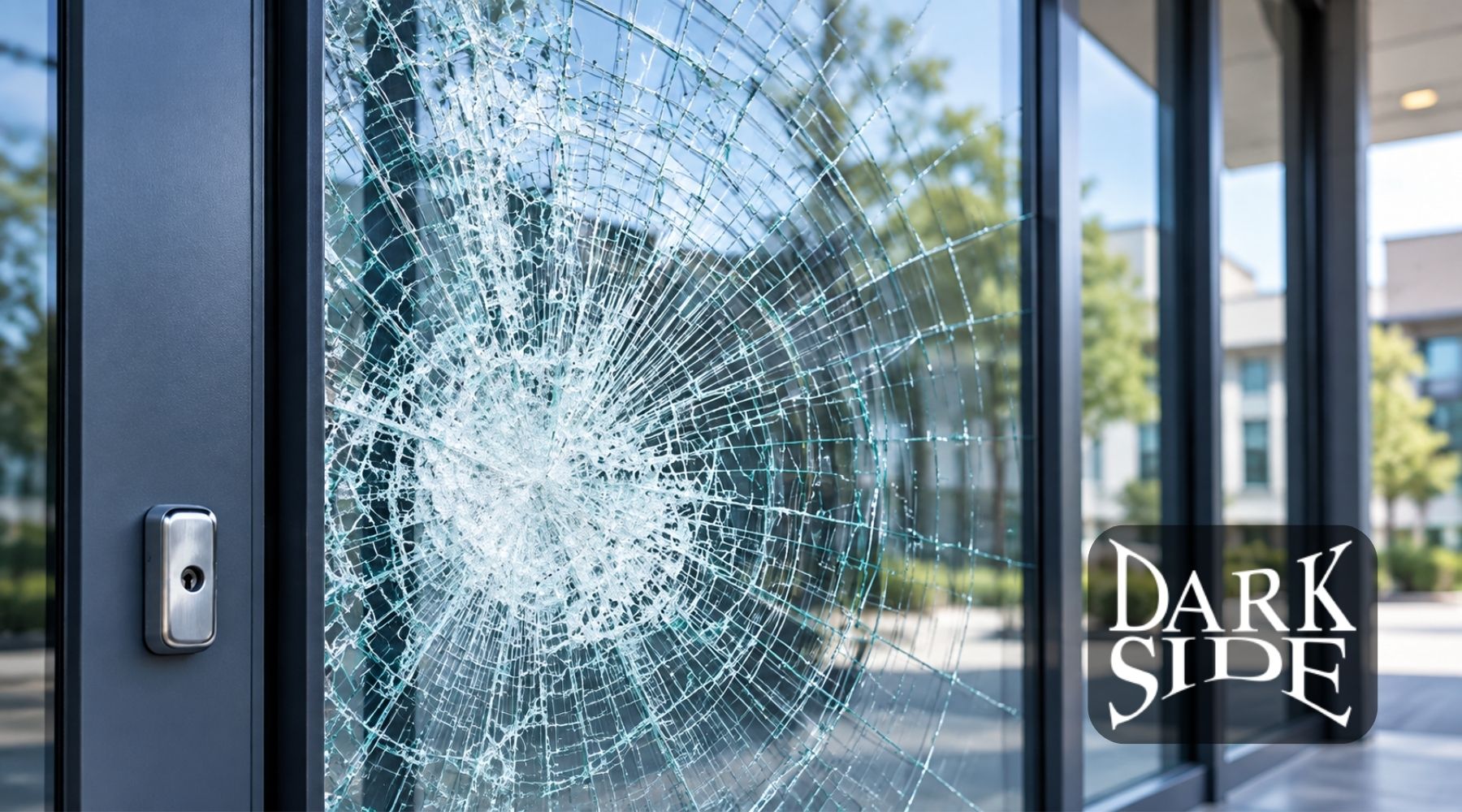
When security film on broken glass is installed, the glass can still crack or shatter after a hard impact. The difference is what happens next: the film’s strong adhesive helps hold broken fragments together, reducing loose, flying shards and helping the damaged pane remain more intact instead of immediately falling apart.
That added glass retention can make a meaningful difference for storefronts, offices, and glass entrances. However, security film doesn’t make a window unbreakable, and its performance depends on more than the film alone.
At Dark Side Window Tinting, we help Augusta business owners understand how the film, adhesive, existing glass, window frame, and installation work together so they can choose the right level of protection for their property.
What Happens When Security Film on Broken Glass Takes an Impact?
Picture a large storefront window being struck hard enough to break it.
With untreated glass, pieces may separate from the pane, fall to the floor, or scatter into the surrounding area. When security film on broken glass is present, the pane can still crack, but the film helps change what happens next.
The Glass Can Still Break
One misconception we frequently want property owners to avoid is the idea that security window film makes ordinary glass impossible to break.
It doesn’t.
Every glass and film system has limitations. If an impact produces enough force, glass breakage can still occur.
That’s why we prefer to talk about security film in terms of glass retention and window reinforcement, not as an invisible shield that makes a window indestructible.
For businesses exploring architectural security film in Augusta, we believe it’s important to understand the entire glazing system rather than focusing on the film alone.
Broken Glass Fragments Can Remain Bonded to the Film
When the pane cracks, the window film adhesive helps keep many of those fragments attached to the polyester film.
Think of a cracked mosaic attached to a flexible backing. The individual pieces may be broken, but the backing helps keep them interconnected.
That’s the basic principle behind broken glass retention.
With window film for broken glass, the damaged pane can remain more connected instead of immediately separating into independent pieces. This glass fragment retention can help reduce uncontrolled scattering of sharp fragments into occupied spaces.
The window may still look severely damaged. You might see spiderweb cracking across much of the pane. The important difference is that security film on broken glass can help hold many of those cracked pieces together.
The Film Remains Flexible After the Glass Cracks
Glass and security film behave differently under stress.
Glass is rigid and brittle. Once enough force is applied, it fractures. Polyester security film is flexible, so the film can remain across the damaged pane after the glass itself has cracked.
The adhesive helps the shattered glass stay attached to that flexible layer.
This is why window film for shattered glass can be useful for fragment retention. However, performance depends on several factors, including the type of glass, film, adhesive, impact, frame, attachment method, and quality of installation.
We never want a property owner to interpret security film as a guarantee that glass cannot break or that every fragment will remain perfectly in place after every possible impact.
Why Does Security Film on Broken Glass Hold the Pieces Together?
The answer comes down to how the film, adhesive, glass, and frame work together. The polyester security film creates a durable, flexible layer, while a strong adhesive bonds it directly to the glass. If the pane breaks, that bond helps keep many of the shattered fragments attached instead of allowing them to separate and scatter freely.
This is what sets security film apart from decorative, privacy, or standard solar-control films, which are designed for different purposes. When glass retention or added forced-entry resistance is the priority, the film needs to match the existing glazing and security goals.
For commercial properties, choosing security film on broken glass shouldn’t be based on film thickness alone. The glass type, window frame, installation method, and overall system all play a role in how the window performs after an impact.
Holding Broken Glass Together Isn't the Same as Holding It in the Frame
This is one of the most important details we can explain to a commercial property owner.
There is a difference between holding broken fragments together and keeping the entire damaged sheet of filmed glass retained within the window opening.
Those two concepts sound similar, but they aren’t identical.
Film-to-Glass Retention
The first relationship is between the security film and the glass.
When the pane breaks, the adhesive helps the security film for glass retain fragments against the flexible film layer. This creates the cracked-but-connected effect people often associate with shatter resistant window film or anti shatter window film.
That can be valuable for controlling loose fragments.
But there’s another question to consider.
What keeps the entire cracked sheet connected to the perimeter of the window?
Film-to-Frame Retention
Depending on the application and intended level of protection, an impact protection attachment may be used to connect the filmed glazing system to the window frame.
This window frame attachment becomes particularly important when the goal involves keeping the damaged glazing retained in the opening.
Without getting overly technical, here’s the distinction we want Augusta property owners to remember:
The film can help hold broken glass together. An appropriate attachment system can help hold the filmed glass to the frame.
Why does that matter?
Imagine the glass cracks and stays attached to the film, but the entire damaged sheet can be pushed away from its perimeter. That’s different from a system designed to provide additional attachment between the filmed glass and its frame.
For security film on broken glass, we look at the film, adhesive, glass, frame, and attachment requirements as parts of the overall glazing system.
What Does Security Film on Broken Glass Look Like After an Impact?
There’s no single fracture pattern that every filmed window follows.
A strike near the center of a pane can behave differently from an impact near the edge. Different glass types also fracture differently, and the amount of force involved can dramatically change the result.
Generally, though, the process looks something like this:
Impact → glass cracks → fragments remain bonded to film → filmed pane flexes or deforms → attachment system, when present, helps retain the damaged glazing at the frame.
This is why we don’t judge security film on broken glass simply by asking whether the glass cracked.
The better question is: What happened after it cracked?
Did the fragments remain attached? Did the filmed pane stay connected to its frame? How did the overall system respond?
Those questions provide a much clearer picture of what security window film is intended to accomplish.
How Does Security Film Affect a Forced-Entry Attempt?
For commercial properties, window film for break ins can add another layer of resistance to vulnerable storefronts, office windows, and glass entrances. It doesn’t make glass burglar-proof, but it can make rapid entry more difficult.
Breaking the Glass May Not Immediately Create an Open Hole
With window film for forced entry, broken glass can remain attached to the flexible film instead of immediately falling away. This leaves an intruder with an additional barrier to overcome, which is why we describe the benefit as forced-entry delay rather than complete prevention.
Repeated Impacts Can Require Additional Effort
Even after the glass breaks, an intruder may need repeated impacts or additional effort to create a usable opening. For businesses concerned about smash and grab protection, that added resistance can help slow an attempted entry.
Commercial window security film works best as part of a broader security strategy that may also include locks, alarms, cameras, lighting, and access control.
What Determines How Well Security Film Performs After Glass Breakage?
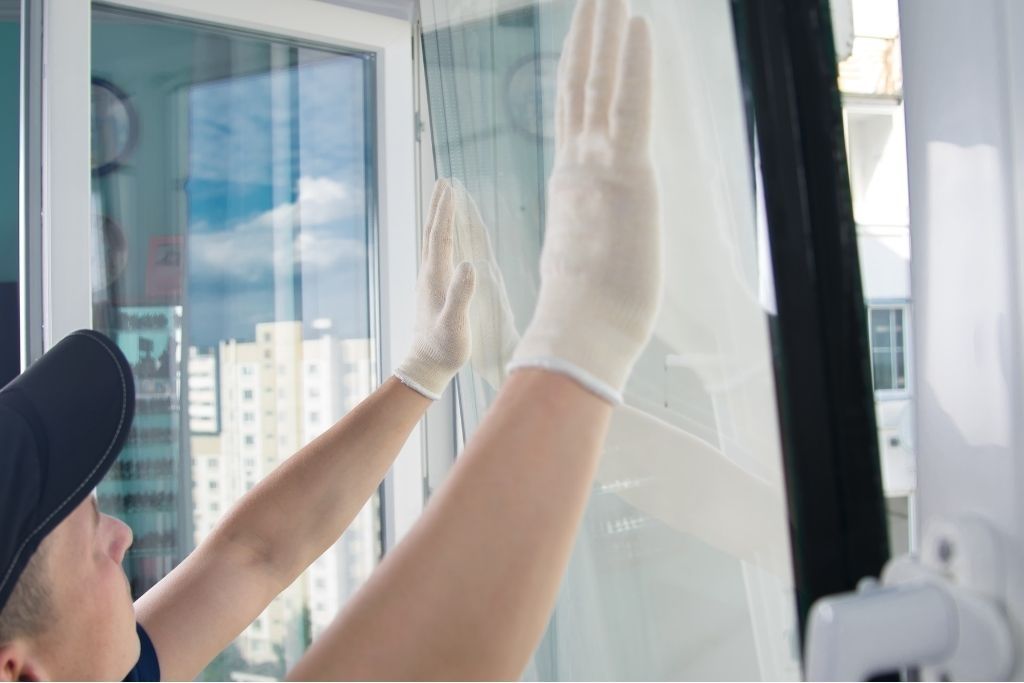
We’ve talked a lot about the film, but the film is only one component.
Several factors can influence the behavior of security film on broken glass.
Film Selection and Intended Purpose
Not every window film is a security product.
Different films are engineered for different objectives, so product selection should begin with the problem you’re trying to solve.
Is your priority glass fragment retention? Forced-entry delay? Solar heat reduction? Glare? UV exposure? A combination of concerns?
We start by understanding the goal.
Existing Glass and Window Frames
The type, size, and condition of the existing glass matter. So does the framing system.
That’s why we prefer to evaluate the existing glazing rather than assume the same security film for windows is appropriate for every commercial property.
Installation Quality
Proper surface preparation, film application, edge conditions, curing, and any required attachment method all contribute to the completed installation.
Film performance isn’t just about what’s inside the box. How the system is installed matters too.
Type and Severity of Impact
An accidental bump, thrown object, storm debris, and deliberate forced-entry attack don’t create identical conditions.
No responsible installer should promise that security film on broken glass will perform identically during every possible event.
Where Can Security Window Film Make Sense in an Augusta Commercial Building?
Commercial properties often contain more exposed glass than owners realize.
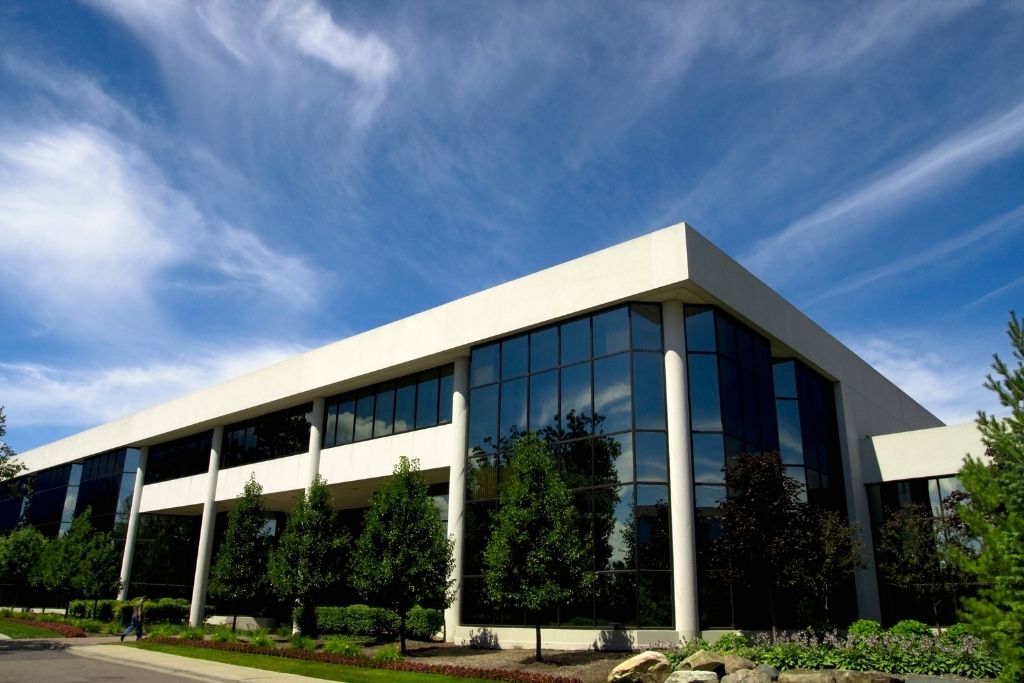
Storefront windows, glass entrance doors, reception areas, ground-floor offices, and other accessible glazed openings may all warrant consideration depending on the building and security objectives.
Security film for glass doors can also be worth evaluating when large glazed entrances are a concern.
At Dark Side Window Tinting, our architectural window tinting services for Augusta homes and businesses include solutions for different building needs, including safety and security applications.
The important thing is identifying what you actually need the film to accomplish.
Security Film Is One Part of a Broader Window Strategy
One thing decades in the window tinting business have taught us is that buildings rarely have only one glass-related concern.
Security may be a priority, but what about afternoon heat? Employee comfort? Screen glare? UV exposure?
These problems shouldn’t automatically be lumped together.
For example, Augusta businesses struggling with hot perimeter offices or excessive solar exposure can learn more in our guide to commercial window film during peak summer heat.
If computer reflections and bright windows are causing workplace discomfort, we’ve also explained how anti-glare window film can reduce screen glare in Augusta offices.
Security, fragment retention, heat control, glare reduction, and UV protection are different performance objectives.
Our job is to help identify which problems matter for your building and choose an architectural film solution accordingly.
When Glass Breaks, Security Film Steps In
Yes. Security film on broken glass isn’t intended to turn shattered glazing into a permanent functional window. Even when the film retains the fragments, the damaged glass should be professionally evaluated and replaced as appropriate.
For Augusta business owners, the key thing to remember about security film on broken glass is simple: the glass can still break, but the film helps control what happens next. It keeps shattered fragments bonded together and can add another obstacle during a forced-entry attempt.
At Dark Side Window Tinting, we’ve served the Augusta area since 1986, bringing decades of hands-on experience and premium LLumar products to architectural window film installations.
Want to strengthen your commercial glass? Explore our architectural window tinting and security film solutions or contact our team about your commercial windows to find the right solution for your property.
Dark Side Window Tinting - Tint & Paint Protection Film
 (90) Window tinting services
Address
108 Prince Dr, Augusta, GA 30907, United States
Phone:
+17068556004
Google Review
All Google Reviews